Sudan's Health System in Motion
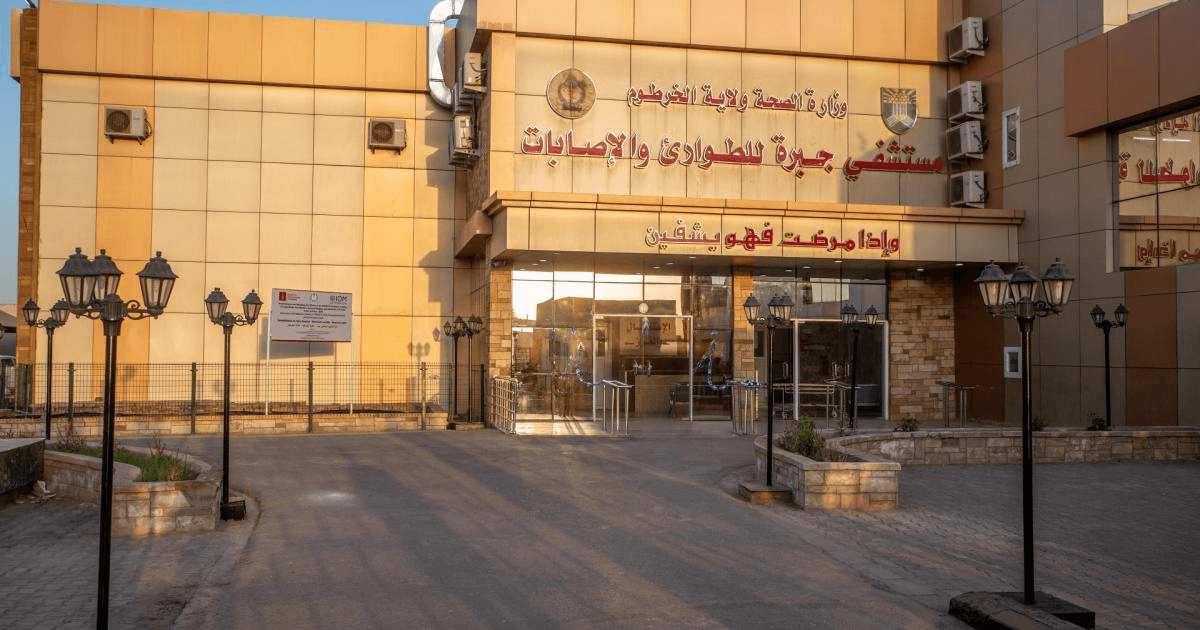
Sudan's health system in 2026 feels like a moving target. It changes depending on the day, the region, the road conditions, the security situation, and the availability of fuel. Yet even in this instability, there is a rhythm to how care continues. It is not a rhythm created by institutions. It is created by people who refuse to let care disappear.
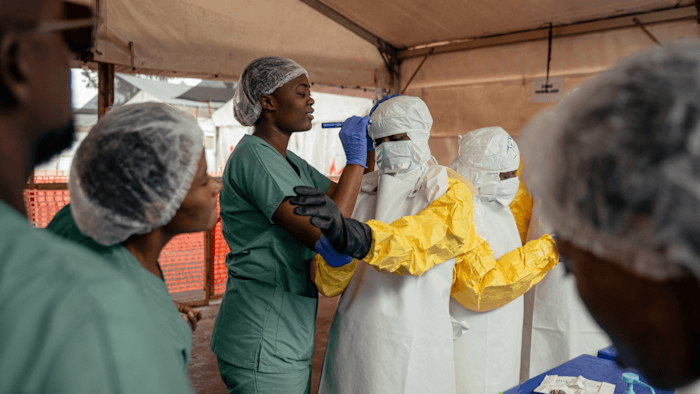
In Khartoum, some hospitals operate with half their staff. Others have lost entire departments. A surgeon I spoke to described performing procedures with a flashlight because the generator failed again. According to the WHO Sudan Health Situation Update, more than half of health facilities in conflict-affected areas are nonfunctional or partially functional. But numbers cannot capture the improvisation behind those statistics. Nurses boil water over charcoal stoves to sterilize equipment. Pharmacists ration antibiotics so the sickest patients get priority. Volunteers stand outside clinics to direct displaced families who do not know where to go.
Displacement has reshaped the health landscape. Millions have moved toward safer regions, creating sudden pressure on clinics that were never designed for such volume. In Port Sudan, patient lines stretch outside the building from sunrise to sunset. Mothers wait with children who have fevers. Elderly patients sit on plastic chairs, hoping the clinic has hypertension medication today. The Ministry of Health's field notes mention overcrowding, but they do not capture the emotional weight of waiting in a line that may not reach the door.
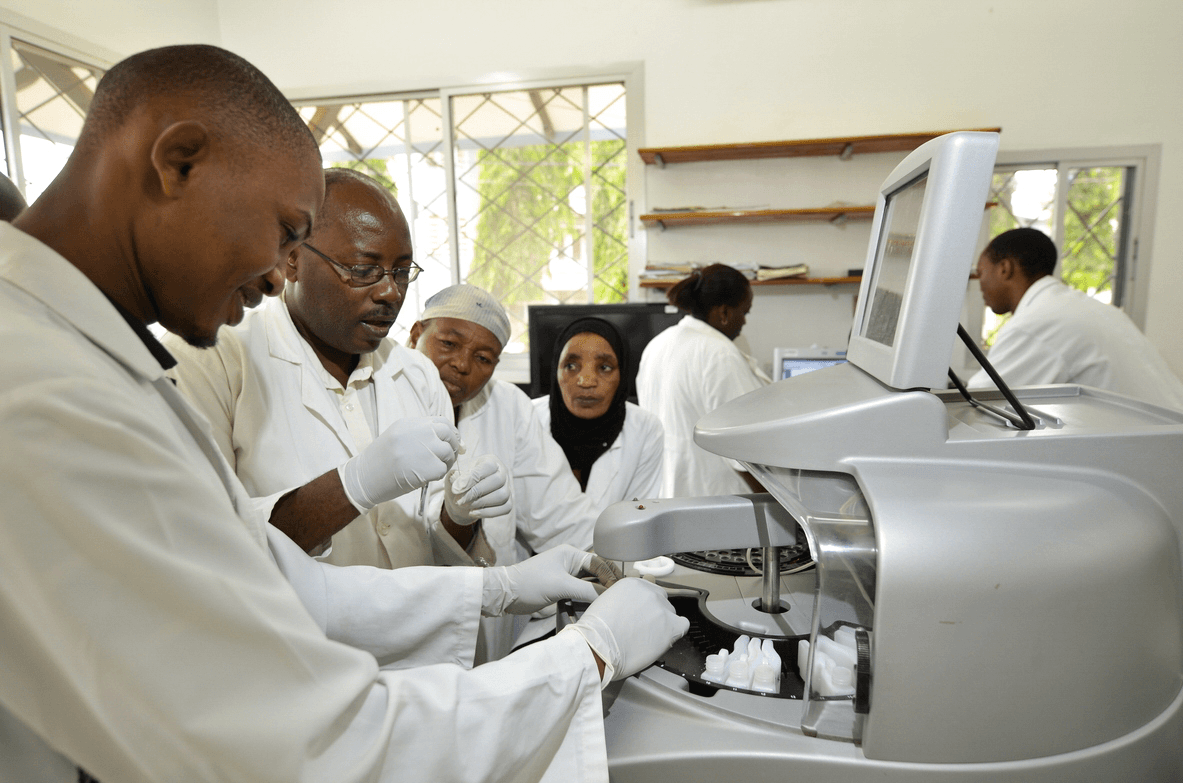
Yet even in this environment, innovation emerges. Community groups create informal referral networks. Young volunteers map safe routes to clinics using simple GPS apps. Local engineers repair broken equipment with parts taken from old radios or discarded machinery. These efforts are small, but they matter. They keep the system from collapsing entirely.
Sudan's health story is not hopeful or hopeless. It is human. It is shaped by people who continue to show up even when the system around them is unstable. Their persistence is shaping Sudan's health future more than any policy document or international statement.
Closing Thought
Sudan's health system is fragile, but it is not empty. It is carried by people who refuse to let care disappear, even when everything around them is shifting.
What part of Sudan's health reality do you think the world misunderstands the most?
Sources: WHO Sudan Health Situation Update 2026; UNICEF Sudan Humanitarian Health Brief 2026; Ministry of Health Sudan Field Notes 2026.