Namibia's Climate-Health Pivot
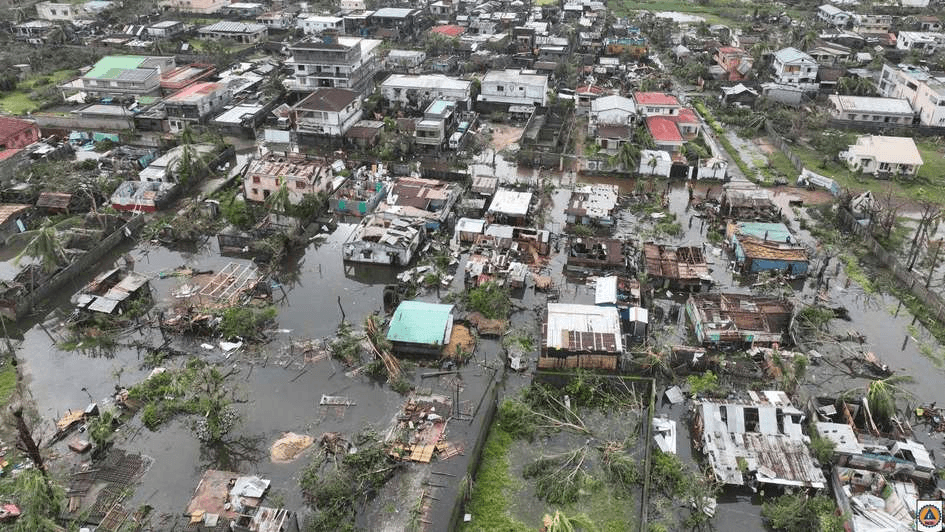
What does a health system look like when its greatest strength isn't money, infrastructure, or technology - but the people who keep showing up anyway?
Namibia has always lived close to the edge of climate vulnerability, but in 2026 the edge is moving. Temperatures are rising, rainfall patterns are changing, and drought cycles are tightening. These shifts are no longer abstract environmental concerns. They are reshaping how the health system functions, where disease appears, and what communities need in order to stay healthy.
One of the most significant changes is the northward expansion of malaria zones. Regions that were historically low risk are now reporting higher transmission, according to Namibia's 2026 Climate and Health Assessment. This shift is not just a scientific observation. It is a logistical and operational challenge. Clinics that never stocked malaria tests now need them. Health workers who never managed malaria cases now require training. District budgets that were originally allocated for maternal health or noncommunicable diseases now need to stretch to cover vector control. Climate change is no longer a future threat. It is a present budget item that forces trade-offs every month.
Water scarcity is another pressure point. Some clinics in Kunene and Erongo are operating with boreholes, solar pumps, or water-harvesting systems because municipal supply has become unreliable. These solutions are not high tech. They are practical adaptations that allow facilities to keep functioning. A clinic cannot sterilize equipment without water. A maternity ward cannot operate safely without sanitation. A pharmacy cannot store insulin without cooling systems that depend on stable water and power. The health system is learning to improvise because it has no other choice.
Namibia is also experimenting with climate-informed health planning. Meteorological data is being integrated into disease forecasting so districts can anticipate outbreaks rather than react to them. This shift is quiet but meaningful. It reflects a growing understanding that climate and health are now inseparable and that planning must reflect this reality.
Local innovation is emerging as well. Community groups are building shade structures for clinics to reduce heat exposure for patients who wait outdoors. Engineers are piloting heat-resistant storage units for medicines. Mobile outreach teams are adjusting their schedules to avoid peak heat hours. These are small decisions that rarely make it into national reports, yet they add up to a system that is learning to adapt in real time.
The narrative here is not dramatic. Namibia is not collapsing under climate pressure, and it is not triumphing over it either. The country is adjusting. The adjustments are slow, imperfect, and often improvised, but they are real. In many ways, this is the true story of climate and health in 2026. It is not a story of crisis or victory. It is a story of continuous adaptation.
Closing Thought
Namibia's climate-health pivot shows that adaptation is no longer a future concept. It is happening now in the quiet decisions made by nurses, district managers, engineers, and communities who are trying to stay one step ahead of a changing environment.
How should African health systems prepare for climate-linked health challenges - infrastructure, forecasting, or community adaptation?
Sources: Namibia Climate and Health Assessment 2026; WHO Africa Climate and Vector Shift Report 2025–2026; Namibia Ministry of Health Adaptation Strategy 2026.