Malawi's 2026 Human Backbone
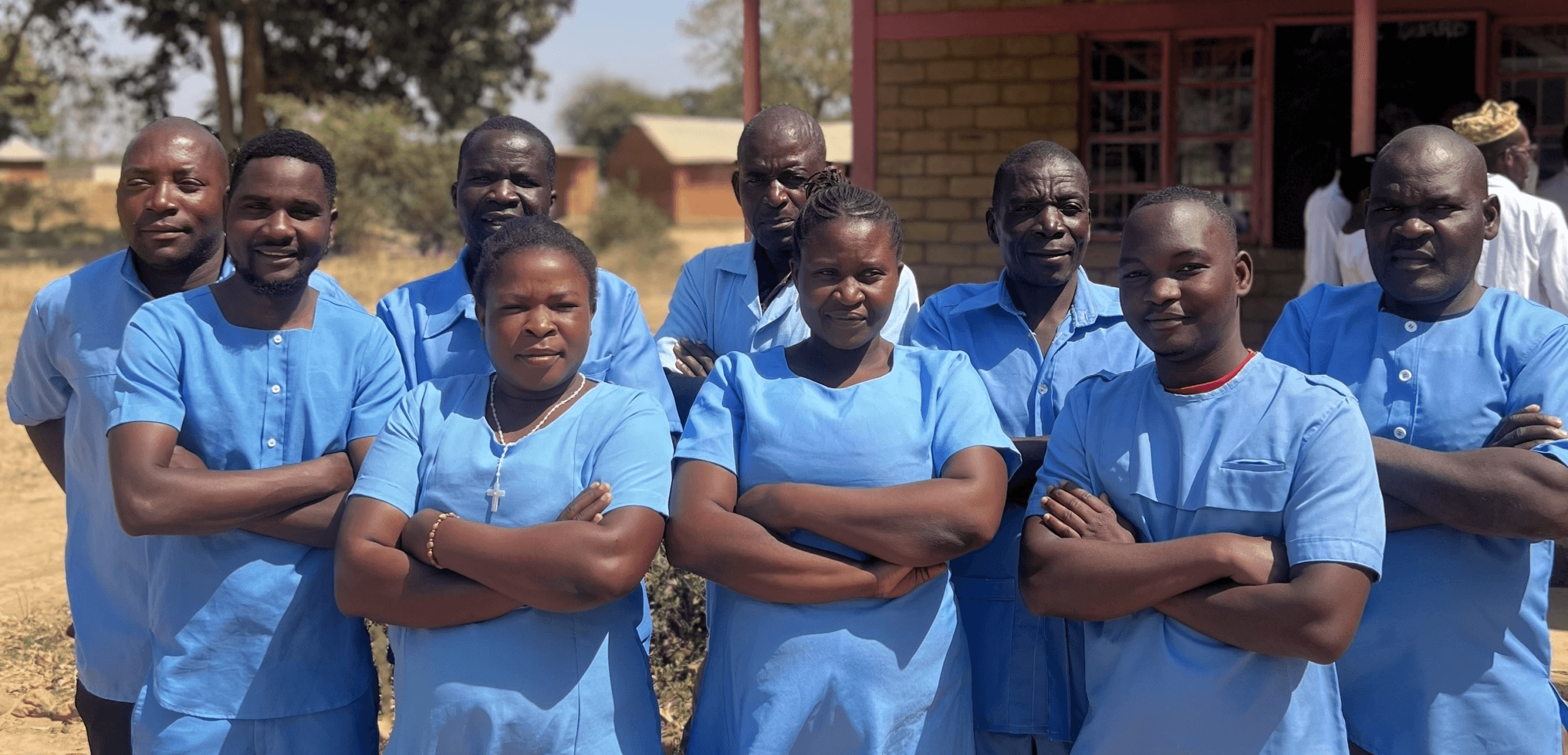
What does a health system look like when its greatest strength isn't money, infrastructure, or technology - but the people who keep showing up anyway?
Malawi's health system is often described in terms of scarcity - scarce funding, scarce infrastructure, scarce specialists. But that framing misses the truth of how the system actually functions. In 2026, Malawi is a country where the human element is the operating system, not an accessory to it. And if you spend time in district hospitals or rural clinics, you see it immediately: the system works because people refuse to let it collapse.
Community health workers (CHWs) are the most visible example. They are the first point of contact for millions of Malawians, handling everything from malaria testing to maternal follow-ups to HIV adherence support. According to the Ministry of Health's 2026 Annual Review, CHWs now manage nearly 40% of all frontline interactions - a number that would overwhelm the formal system if it disappeared overnight. But what the report doesn't capture is the emotional labor behind that statistic: the late-night home visits, the improvised transport solutions, the quiet negotiations with families who trust the CHW more than the clinic.
District health managers - the invisible middle layer - are the system's stabilizers. They are the ones who decide whether a clinic gets fuel for its ambulance this week or whether the budget goes to repairing a broken refrigerator needed for vaccines. They are the ones who reorganize staff schedules when half the nurses are attending a training in Lilongwe. They are the ones who create WhatsApp groups to coordinate emergency referrals because the official communication channels are too slow. These are not “innovations” in the Silicon Valley sense. They are survival strategies that have become permanent features of the system.
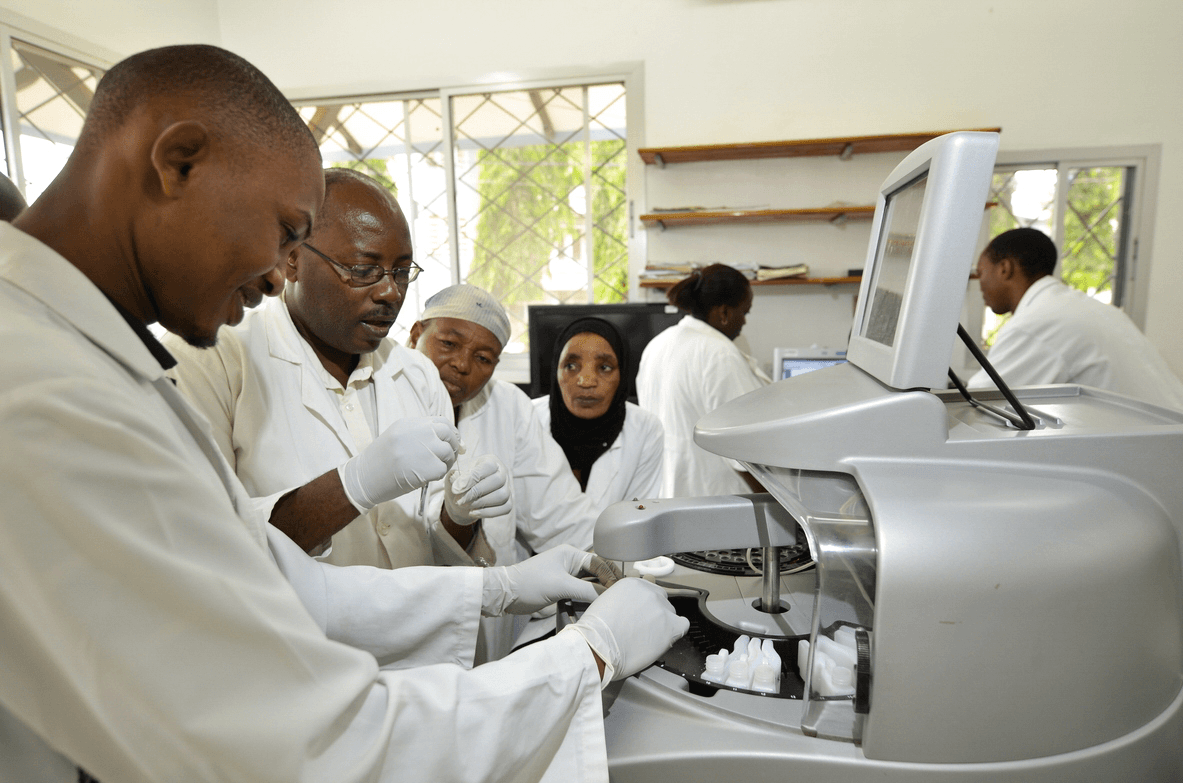
And then there are the local innovators, the small startups and community groups building tools that are not glamorous but deeply functional. A low-cost diagnostic kit for rural clinics. A simple digital stock-tracking tool that prevents stockouts. A community-run transport network for pregnant women. These solutions rarely make it into global reports, but they are the reason Malawi's health system doesn't buckle under pressure.
Of course, the challenges are real. Drug stockouts still happen. Infrastructure gaps remain wide. Workforce shortages are chronic. But the narrative is not one of despair, it's one of endurance. Malawi's health system is not defined by what it lacks; it's defined by the people who refuse to let those gaps dictate outcomes.
In a world where health systems are often evaluated by their technology or their budgets, Malawi offers a different lesson: sometimes the most powerful resource is human commitment. And in 2026, that commitment is what keeps the system moving.
Closing Thought
Malawi's story is a reminder that health systems are not built in conference rooms - they're built in clinics, homes, and communities by people who choose to show up even when the system doesn't show up for them.
What part of Africa's health systems do we underestimate the most - people, data, or local innovation?
Sources: Malawi Ministry of Health Annual Report 2026; WHO Malawi Community Health Worker Review 2025; UNICEF Malawi District Innovation Profiles 2026.