Ethiopia's 2026 Health Financing Reset
Ethiopia's health system has always been defined by scale: a population of 120+ million, vast geography, and a decentralized structure that makes reform both necessary and complicated. But in 2026, something different is happening. Not a flashy reform, not a crisis response, but a fundamental rethinking of how health is financed.
The country is expanding its Community-Based Health Insurance (CBHI) scheme, which now covers more than 60% of districts, according to Ethiopia's 2025 Health Sector Performance Report. But the real story isn't the expansion - it's the shift in how districts are allowed to use funds. For the first time, district health offices can reallocate budgets based on real-time needs rather than waiting for federal disbursements. It's a small change on paper, but a massive one in practice.
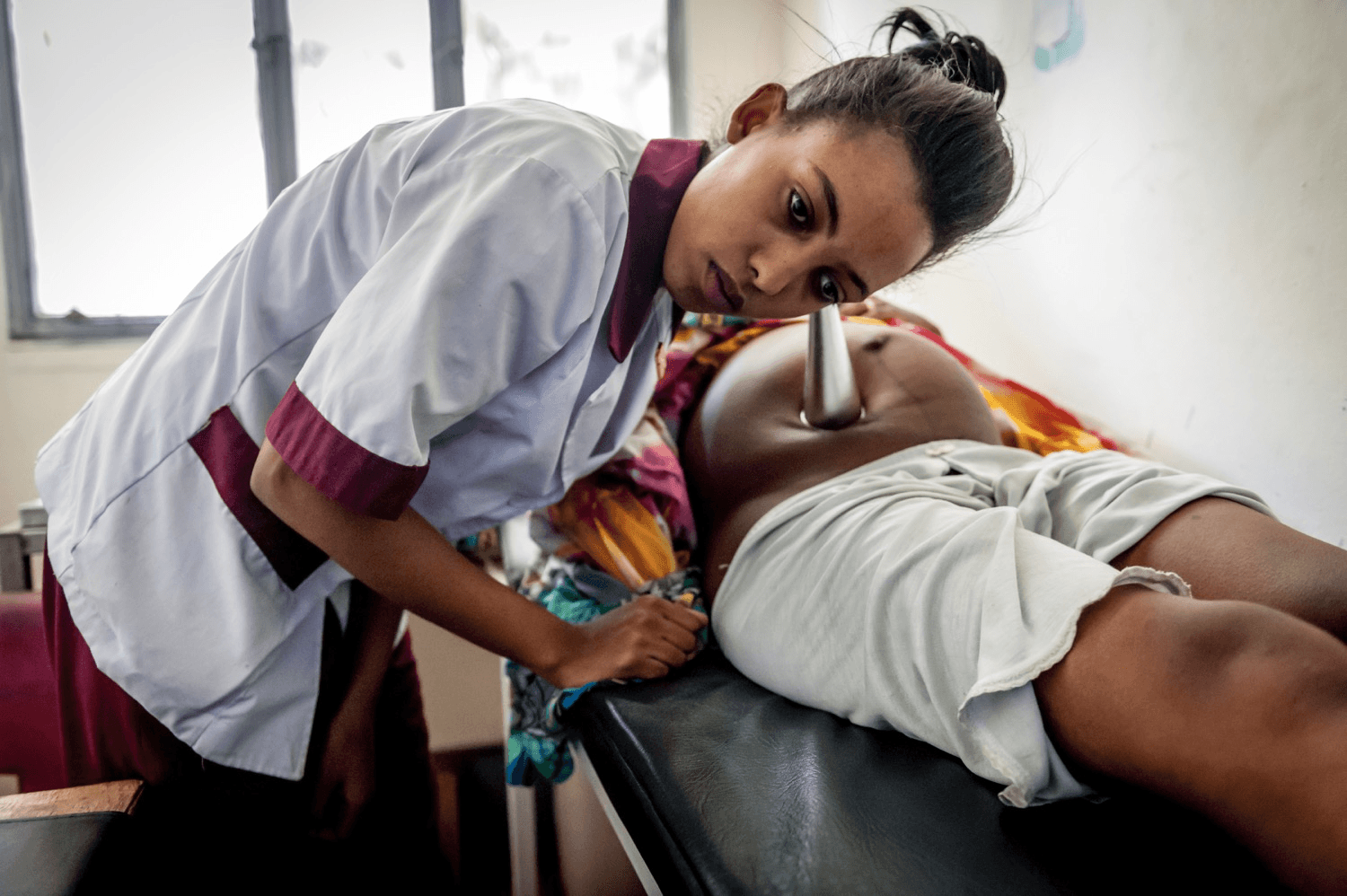
This autonomy is already reshaping service delivery. Some districts are prioritizing maternal health; others are investing in diagnostics; a few are experimenting with contracting private pharmacies to reduce stockouts. None of this is headline-grabbing, but it's the kind of reform that actually sticks.
At the same time, Ethiopia is grappling with the political reality of financing. Inflation remains high, donor funding is shifting, and the government is under pressure to show progress without overspending. The result is a reform agenda that's pragmatic, not idealistic - one that acknowledges constraints instead of pretending they don't exist.
The country is also piloting digital financial tracking tools to reduce leakage and improve transparency. These tools aren't glamorous, but they're helping districts understand where money goes - and where it disappears. In a system this large, that alone is transformative.
Ethiopia's financing reset isn't a miracle story. It's a slow, uneven, sometimes frustrating process. But it's real. And in a continent where many reforms are announced loudly and implemented quietly, Ethiopia is doing the opposite.
Closing Thought
Ethiopia's 2026 reforms remind us that health systems don't change through declarations - they change through budgets. And sometimes the most meaningful progress is the kind no one notices until years later.
What matters more for long-term health reform - political will or financial autonomy?
Sources: Ethiopia Health Sector Performance Report 2025; WHO Ethiopia Health Financing Updates 2025–2026; World Bank Ethiopia Health Systems Program 2026.